Creative Photography Projects for Landscape Enthusiasts
Recent Trends in Landscape Photography
In the past few seasons, landscape enthusiasts have increasingly turned to projects that blend technical skill with personal expression. The rise of accessible editing tools and affordable camera gear has lowered barriers, encouraging hobbyists to move beyond standard scenic shots. Trends include long-exposure studies of moving water, intentional camera movement (ICM) abstracts, and multi-image composites that capture light changes over hours.
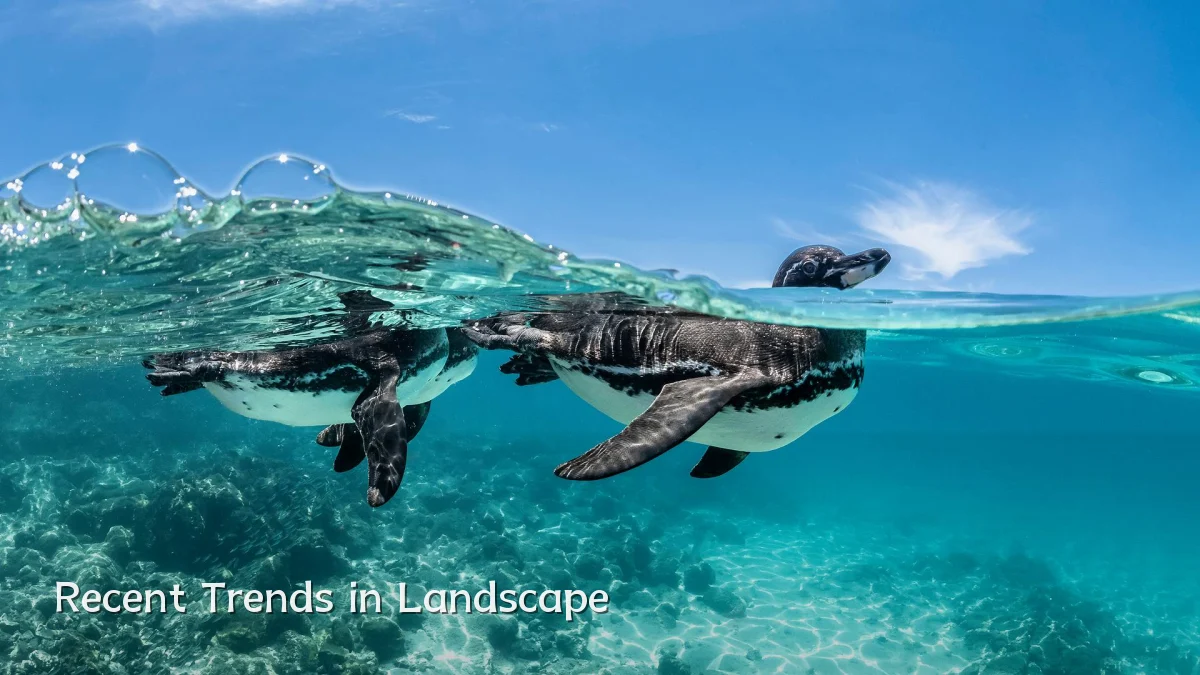
Social media platforms have also popularized small-series projects, such as documenting a single location through all four seasons or creating diptychs that contrast day and night views. These approaches reward patience and observation over expensive equipment.
Background: Why Structured Projects Appeal
Many landscape photographers find that open-ended shooting can lead to repetitive results. Structured projects provide a framework for creative growth, helping enthusiasts focus on composition, lighting, and storytelling rather than simply capturing nature. Common themes include:
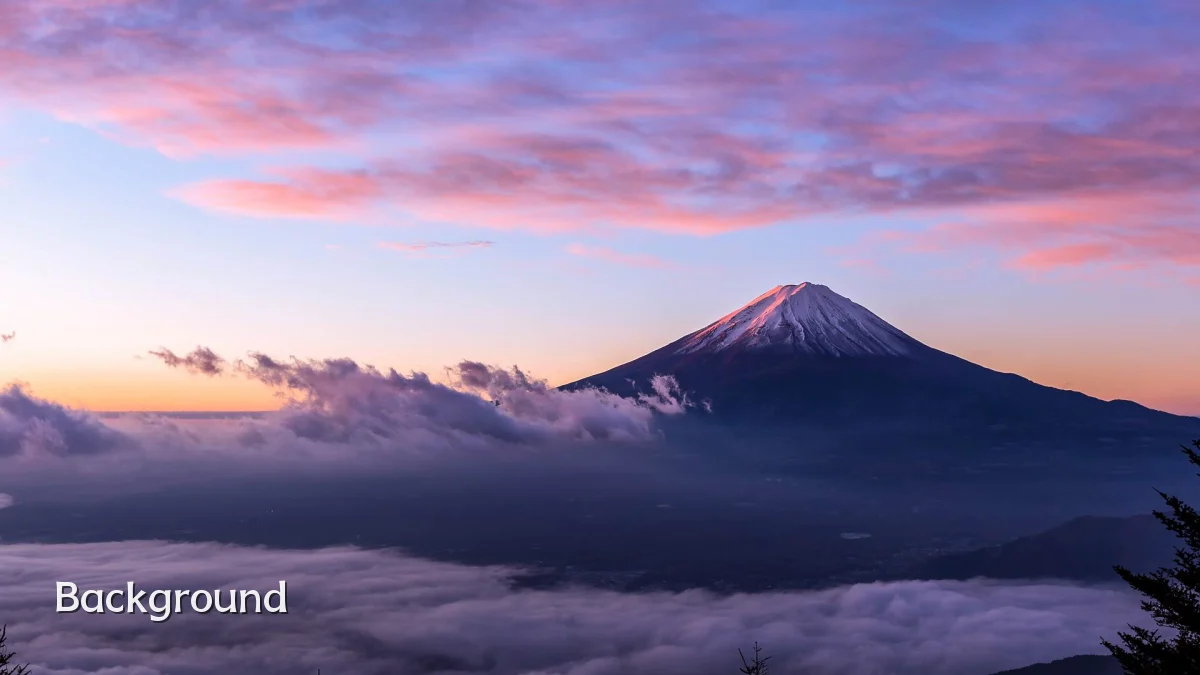
- Scale and perspective – using a familiar object (a car, a tent, a person) to show the magnitude of a landscape.
- Pattern and texture – isolating rock formations, sand dunes, or tree bark to create abstract images.
- Time-lapse sequences – compiling hundreds of frames into a short video that reveals motion in clouds or tides.
These projects often require revisiting a location multiple times, fostering a deeper connection to the environment.
User Concerns: Practical and Creative Hurdles
Enthusiasts commonly express concerns about time commitment, weather dependency, and creative burnout. Bullet points summarize frequent issues:
- Access to locations – not everyone lives near dramatic landscapes; urban green spaces or local parks can suffice with careful framing.
- Equipment limitations – while high-end cameras are helpful, even a basic DSLR or smartphone can produce strong results with proper technique and editing.
- Lack of fresh ideas – photographers sometimes feel stuck in routine shots. Project-based thinking forces new angles and approaches.
- Post-processing complexity – advanced composites and focus stacking require learning software, which can be intimidating for beginners.
Likely Impact on the Community
As more landscape enthusiasts adopt structured projects, the community is likely to see a shift from single-shot hero images to cohesive portfolios and series. Workshops and online tutorials are already emphasizing project planning and narrative arc. This trend may also encourage environmental stewardship, since repeated visits to a landscape often heighten awareness of seasonal changes and ecological fragility.
Print and digital exhibitions that showcase project-based work are becoming more common, offering photographers a path to share not just a picture but a process. Collectors and curators increasingly value series that demonstrate intent and evolution over one-off captures.
What to Watch Next
Look for the following developments in the coming months:
- Apps and software – tools that simplify photo management and sequence creation, making project workflows smoother.
- Virtual meetups – online groups where participants share weekly progress on common themes (e.g., “silhouettes at sunset” or “reflections in still water”).
- Hybrid projects – combining landscape photography with other disciplines like writing, painting, or environmental science.
- DIY guides – more resources showing how to create low-cost gear (e.g., lens filters from household materials) to enable specialty techniques.
Enthusiasts should keep an eye on local photo clubs and social media hashtags dedicated to landscape challenges. The project-led approach appears to be more than a passing fad—it offers a sustainable way to keep creative energy high without constantly chasing new gear or faraway locations.