Rediscovering the Quiet Joys of an English Countryside Weekend

Recent Trends
A noticeable shift has emerged in how many people are choosing to spend short breaks. Rather than seeking busy city breaks or complex international itineraries, there is growing interest in slower, more restorative travel close to home. Weekend trips to the English countryside — particularly staying in villages, small market towns, or coastal rural areas — have seen a steady uptick. Accommodation providers, from farm B&Bs to self-catering cottages, report higher seasonal demand for off-peak autumn and early spring weekends.

- Increased bookings for rural self-catering properties, especially midweek-to-weekend stays.
- Growth in interest for walking, cycling, and local food experiences rather than high-energy attractions.
- Rising preference for unplugged or low-digital itineraries, including reading, cooking, and simple nature walks.
Background
The idea of a countryside weekend in England is not new. For decades, the rural retreat has been a fixture of British leisure culture — from the Victorian-era love of seaside resorts to the post-war popularity of country house hotels. What has changed is the context. In an age of constant connectivity and information overload, the countryside offers a deliberate contrast. Many visitors now describe their motivation as a desire to reduce mental clutter, not just to see scenery. This quieter form of tourism dovetails with a broader cultural interest in mindfulness, slow living, and local provenance.
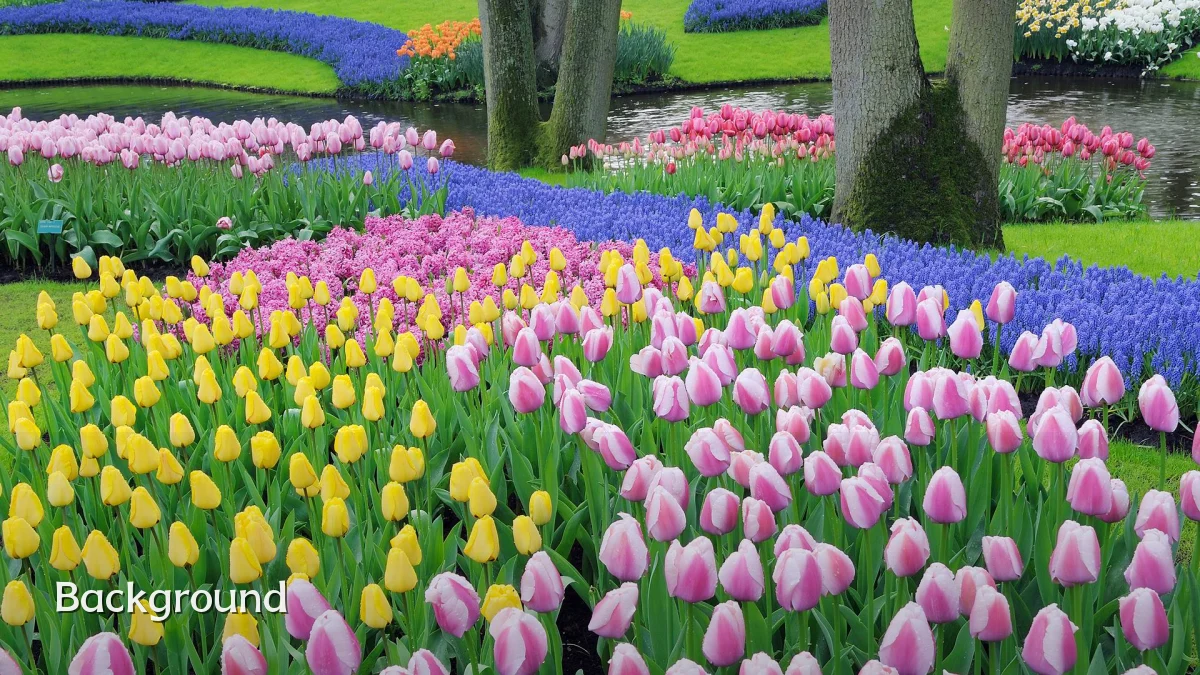
- Historic appeal of the English rural landscape: rolling hills, ancient woodlands, and quiet footpaths.
- Shift in travel values: from "seeing everything" to "doing nothing well."
- Support from local tourism boards promoting weekend itineraries focused on walking, local produce, and heritage.
User Concerns
While the desire is clear, practical concerns temper how easily a quiet weekend can be achieved. Accessibility remains a key factor. Not everyone lives within a short drive of rolling countryside, and public transport options to many rural villages are limited. Accommodation availability can be tight during peak seasons, and pricing varies widely. Many also worry about the weather, which can turn a planned walking weekend into a days-long sofa stay. For families with young children or individuals with mobility needs, rural lodging options — often in older buildings with uneven stairs or no central heating — can be a genuine challenge.
- Transport: limited train service to smaller towns; car often the only practical option.
- Weather: realistic expectation-setting needed for outdoor plans.
- Accommodation quality: historic charm vs. modern comfort trade-offs.
- Cost: rural weekend breaks can vary from budget-friendly camping to premium luxury stays.
- Activities: not all visitors want to hike; quiet reading, local pub visits, and cooking are also valued.
Likely Impact
The sustained interest in countryside weekends is likely to influence several areas of the travel and hospitality sector. Small-scale accommodation providers, especially those offering self-catering cottages or farm stays, will continue to see steady demand for off-peak weekends. Local food producers, village pubs, and small museums, galleries, or farm shops are likely to benefit from the increased foot traffic. On the downside, the popularity of certain beauty spots has already led to seasonal overcrowding, putting pressure on narrow roads, parking, and footpaths. Some areas are considering voluntary visitor timing or booking systems to manage flow. The trend may also accelerate the conversion of older rural buildings into holiday lets, which can affect local housing availability.
- Economic benefit to rural businesses, particularly small and independent ones.
- Risk of over-tourism in a handful of highly promoted areas (e.g., Cotswolds, Peak District, Lake District).
- Push for better public transport connections and more flexible last-minute cancellation policies.
- Growing demand for "digital detox" packages and experiences that explicitly limit screen time.
What to Watch Next
Observers should pay attention to how local councils and tourism bodies manage visitor numbers in popular rural zones, especially if the trend continues to grow. Another area to watch is the evolution of accommodation — whether more farm B&Bs, shepherd's huts, or renovated barns will come online to meet demand. The role of weather-adaptive activities (indoor workshops, local cooking classes, heritage tours) will be important for rainy-season viability. Lastly, watch for how digital habits evolve: if the "quiet weekend" becomes a regular fixture, it may influence how leisure time is valued more broadly — at a pace far different from the typical weekday rush.
- Local policy responses to rural visitor management.
- Growth of alternative accommodation types: glamping, bothies, canal boats.
- Development of all-weather, low-key activity packages for weekend guests.
- Potential broader cultural shift toward slower, less scheduled forms of leisure.