Unlock Your Imagination: How Reading Fuels Creative Thinking
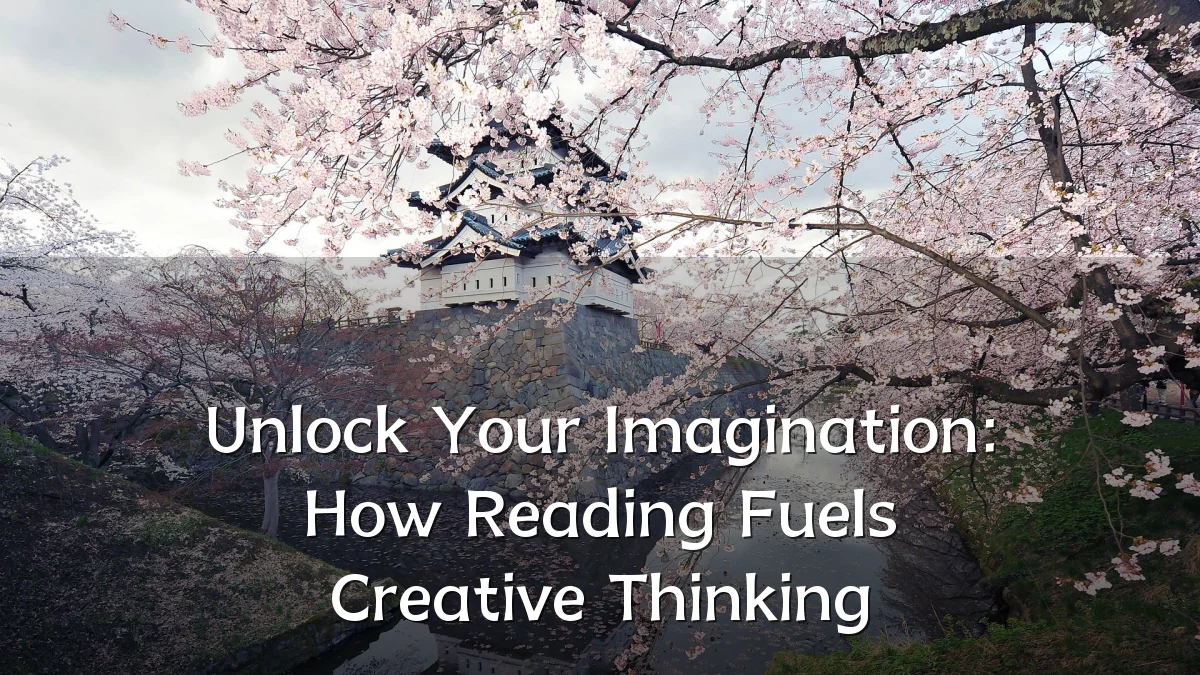
In an era dominated by short-form video and algorithm-driven feeds, a quieter trend is gaining traction: readers are rediscovering that sustained attention on a book can sharpen creative thinking. Educators, cognitive researchers, and workplace innovation consultants are all pointing back to the written page as a low-tech tool for high-impact ideation.
Recent Trends
Over the past few years, several indicators suggest a renewed interest in deep reading as a creative catalyst. Subscription-based book services, independent print membership clubs, and "slow reading" groups have seen steady growth. Meanwhile, a number of corporate training programs now explicitly recommend fiction reading to develop empathy and narrative thinking—two pillars of creative problem solving. The rise of narrative-based podcast adaptations also hints at a broader cultural appetite for structured storylines.

- Growth in long-form fiction sales, particularly in literary and speculative genres.
- Increased enrollment in community-based "book and brainstorm" meetups.
- Notable embedding of fiction reading into leadership development curricula.
Background
The link between reading and imagination is hardly new. Cognitive studies from the past two decades have shown that narrative engagement activates the same neural networks used for constructing future scenarios. When a reader visualizes a character’s choices, the brain practices simulating novel outcomes. Unlike passive media, reading demands active mental model-building—readers must fill gaps, infer motives, and hold multiple threads in working memory. This process directly exercises the divergent thinking muscles needed for original ideas.

Traditionally, this connection was taken for granted. Only recently, as screen habits fragment attention spans, has the contrast become stark enough to prompt formal research and public discussion.
User Concerns
Many regular readers and would-be creative thinkers express practical worries about integrating reading into a busy life. Common concerns include:
- Finding reliable time for sustained reading amid work and family obligations.
- Choosing books that actively stimulate creativity rather than simply entertain.
- Overcoming mental fatigue from heavy screen use before picking up a physical book.
- Measuring whether the creative payoff justifies replacing other skill-building activities.
These doubts are valid, but evidence suggests even short, daily reading sessions (15–30 minutes) can prime the brain for associative thinking, provided the material requires open-ended interpretation.
Likely Impact
If the trend continues to gain institutional and personal traction, several outcomes are plausible. On an individual level, regular readers may develop stronger lateral thinking skills—the ability to connect unrelated ideas. In workplace settings, teams that incorporate reading rituals might produce more innovative solutions during brainstorming sessions. Broadly, a cultural shift toward deep attention could counterbalance the creative flattening sometimes attributed to algorithmic content consumption. Schools and universities that reintroduce longer narrative texts into curricula may see measurable boosts in student creativity assessments over time.
Conversely, if the trend remains niche, the gap between those who read for depth and those who consume only short-form media could widen, creating a creativity divide that mirrors existing literacy and opportunity gaps.
What to Watch Next
Observers should monitor three areas:
- Publishing and media hybrid models – How print books integrate with interactive digital companions (audio notes, community annotations) could lower barriers for time-pressed readers.
- Longitudinal studies – Emerging research on adults who adopt a regular fiction habit later in life will clarify whether creativity gains are durable.
- Education policy shifts – Any push to prioritize deep reading over digital literacy in school frameworks would signal a systemic embrace of this idea.
The conversation around reading and creative thinking is no longer just a literary one—it has become a topic of interest for cognitive science, organizational behavior, and even economic development. For anyone looking to unlock their imagination, the simplest prescription may still be the most effective: open a book and stay with it.