Ways to Embrace Solo Travel Without Feeling Lonely
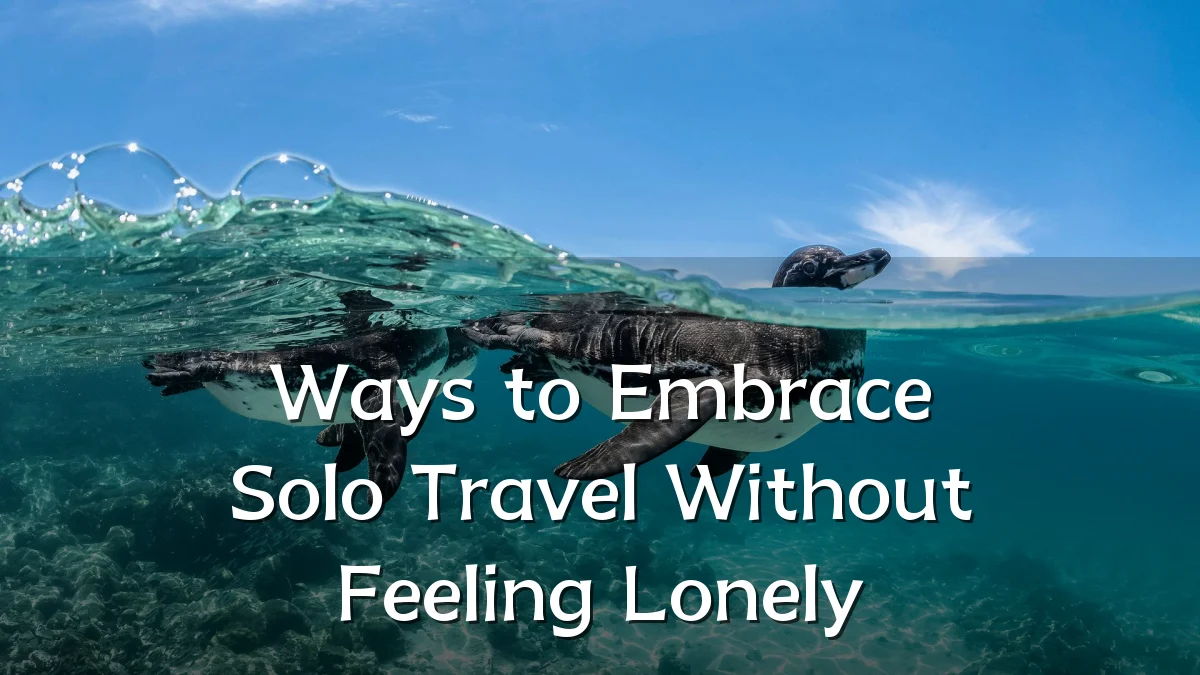
Solo travel has become a defining expression of the independent adventure lifestyle, yet the fear of loneliness remains one of the most common deterrents. As more travelers seek autonomy and self-discovery on the road, the industry is responding with tools and approaches that foster connection without sacrificing solitude. This analysis examines how the solo travel experience is being reshaped to minimize isolation while maximizing personal freedom.
Recent Trends in Solo Adventure Travel
The past few years have seen a marked shift in how solo travelers structure their journeys. Rather than viewing alone time as a liability, many now treat it as a flexible foundation for spontaneous social engagement. Key developments include:

- Curated co-living spaces – short-term residential hubs that blend private sleeping quarters with shared kitchens, lounges, and scheduled group activities.
- Small-group tour offerings – operators now market specific departures for solo participants, often capping groups at eight to twelve people to encourage natural interaction.
- Digital nomad communities – seasonal clusters in cities like Lisbon, Medellín, and Chiang Mai provide built-in social networks through coworking memberships and local event calendars.
- Social hostels with private rooms – combining the privacy of an individual space with the communal atmosphere of common areas, organized pub crawls, and walking tours.
Background: Why Loneliness Becomes a Barrier
Loneliness in solo travel often stems from the gap between high expectations of freedom and the reality of unstructured time. Without a built-in social circle, travelers can experience what psychologists call “decision fatigue”—the constant need to plan each meal, activity, and route alone. Historically, the solo traveler relied on chance encounters or pre-arranged meetups, which could feel unreliable. Over the past decade, however, both technology and hospitality design have addressed this by creating low-stakes opportunities for connection that do not require full itinerary commitments.

User Concerns: Common Fears and Practical Solutions
Travelers regularly cite specific scenarios that trigger feelings of isolation. Understanding these pain points helps both individuals and service providers craft better experiences. Common concerns include:
- Dining alone – many feel self-conscious eating at restaurants by themselves. Solutions: opting for communal table seating, eating at bar counters, or joining food tours that seat groups together.
- Safety anxiety – the perception that being alone increases risk. Practical steps: sharing real-time location with a trusted contact, choosing accommodations with 24-hour front desk staff, and using ride-hailing apps that log trip details.
- Lack of interaction – the fear of going days without a meaningful conversation. Mitigations: participating in free walking tours, attending language exchanges, or using apps designed to connect travelers with locals for coffee or cultural outings.
- Overplanning vs. spontaneity – rigid schedules can eliminate organic social moments, while too much flexibility can lead to aimlessness. Balanced approach: pre-book only the first night’s accommodation and one anchor activity per destination, leaving room to meet others and adjust plans.
Likely Impact on Traveler Behavior and Industry
The trend toward “social solo” travel is reshaping accommodation, tour operations, and digital services. Hostels are redesigning common areas to encourage mixing without forced icebreakers. Tour companies are introducing “no single supplement” policies, making group trips financially accessible to solo travelers. Meanwhile, apps that facilitate real-time meetups—such as those for running clubs, book swaps, or language practice—are gaining traction among users who want connection on their own terms.
For travelers, the likely long-term impact is a more nuanced relationship with solitude. Rather than avoiding all alone time, many are learning to alternate between independent exploration and structured social windows. This hybrid approach reduces the emotional exhaustion of constant interaction while still providing the human contact that most travelers need.
What to Watch Next
As the independent adventure lifestyle continues to evolve, several developments could further ease loneliness for solo travelers:
- Local meetup platforms – destination-specific apps that list impromptu dinners, hikes, or museum visits hosted by residents or fellow travelers.
- “Slow travel” micro-communities – informal groups that spend a week or more in one location, renting shared houses and collaborating on daily excursions.
- Tailored solo travel insurance – policies that include mental health support hotlines or credits for social activities like guided day trips.
- Accreditation for solo-friendly businesses – a potential standardization that helps travelers quickly identify accommodations and tours designed with intentional social infrastructure for independent adventurers.