Ways to Embrace the English Countryside Adventure Lifestyle

Recent Trends in Countryside Adventure
Over the past few years, there has been a noticeable shift toward outdoor, non-urban leisure in England. More residents and visitors are seeking low-impact, self-led experiences such as long-distance walking, gravel cycling, and wild camping (where permitted). Social media feeds increasingly feature images of rolling hills, coastal paths, and ancient woodlands rather than city landmarks. Meanwhile, local tourism boards have begun promoting multi-day itineraries that combine physical activity with heritage stays, from farmhouse B&Bs to converted barns.

Key trends include:
- Growth in "slow adventure" – multi-day hikes or bikepacking routes with minimal gear
- Rise of micro-adventures – short, midweek escapes within an hour’s travel from home
- Increased interest in foraging, bushcraft, and nature connection workshops
- Demand for tech-free or low-connectivity zones to reduce digital distraction
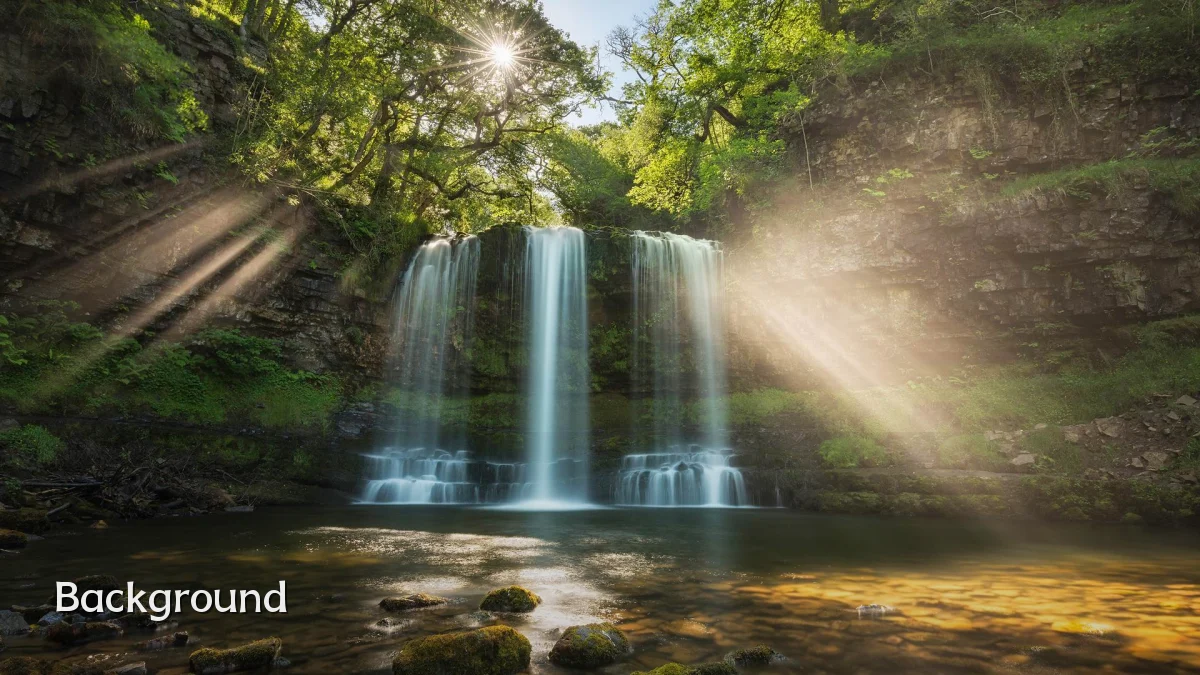
Background – A Tradition of Rural Recreation
The English countryside has long been associated with outdoor recreation, from Victorian-era rambling clubs to the establishment of National Parks in the mid‑20th century. Rights‑of‑way networks – over 100,000 miles of public footpaths, bridleways, and byways – form the backbone of this lifestyle. Organizations such as the Ramblers and the National Trust have historically promoted access, but newer grassroots groups emphasize self‑reliance and minimal environmental footprint.
Adventure activities like hill running, canoeing on inland waterways, and wild camping (increasingly tolerated in Dartmoor and some Scottish hills) have evolved from niche pursuits to mainstream hobbies. The growth of lightweight, affordable gear – such as bivvy bags and compact stoves – has lowered the barrier to entry.
User Concerns – Practical and Environmental
For those considering an English countryside adventure lifestyle, several common concerns emerge:
- Navigation and safety: Reliance on mobile phone signal is risky; paper maps and compass skills remain essential, especially in remote upland areas with poor coverage.
- Permitted access: Wild camping is legal only in a few areas (e.g., parts of Dartmoor under certain conditions); elsewhere it is technically trespassing, though many land managers tolerate it if done discreetly and responsibly.
- Weather and gear: English conditions can change rapidly; waterproof layers, spare clothing, and emergency shelter are recommended even on short summer outings.
- Environmental impact: Soil erosion from boot traffic and campfires, litter, and disturbance to wildlife are recurring issues. Adherence to the “Leave No Trace” principles is widely expected.
- Cost and time: While some activities (walking, running) are low‑cost, others (cycling, kayaking) require initial investment in equipment. Travel between rural areas without a car can add time and expense.
Likely Impact on Communities and Landscapes
Increased participation in countryside adventure brings both opportunities and pressures. Local economies in rural England – from village pubs and farm shops to campsites and gear rental outlets – have seen a modest boost. However, popular honeypot sites (e.g., the Lake District, Peak District, South West Coast Path) face congestion, parking issues, and path erosion. Local authorities and national park services have begun introducing voluntary “trail ambassador” programmes and seasonal access restrictions in sensitive habitats.
On a broader scale, the shift toward active outdoor lifestyles is credited with improving public health – more time outdoors, increased physical activity, and mental wellbeing benefits. Yet there is a risk that the “adventure” trend could lead to risk‑taking among inexperienced participants, especially in remote locations without appropriate preparation.
What to Watch Next
Several developments may shape the English countryside adventure lifestyle in the coming months and years:
- Expansion of designated wild camping areas – pilot schemes in some national parks could influence national policy on land access.
- Integration of digital navigation tools – better offline map apps and emergency communication devices could make solo adventures safer.
- Growth of “car‑free” adventure travel – coordinated bus and train links to trailheads, plus bike‑hire schemes at rural stations, are being tested in parts of Yorkshire and the Cotswolds.
- Climate‑adaptive practices – slower travel, use of sustainable gear materials, and carbon offset programmes for transported equipment may become more prominent.
- Community‑led stewardship – more volunteer‑run maintenance of paths and campsites could relieve pressure on public agencies.
Observers note that the core appeal remains constant: a chance to reconnect with landscapes that have been walked, cycled, and paddled for generations. The challenge is to enable this access while preserving the very qualities that make the English countryside inviting for adventure.